How to Find a Seniors’ Club in BC—and Know If It’s Right for You
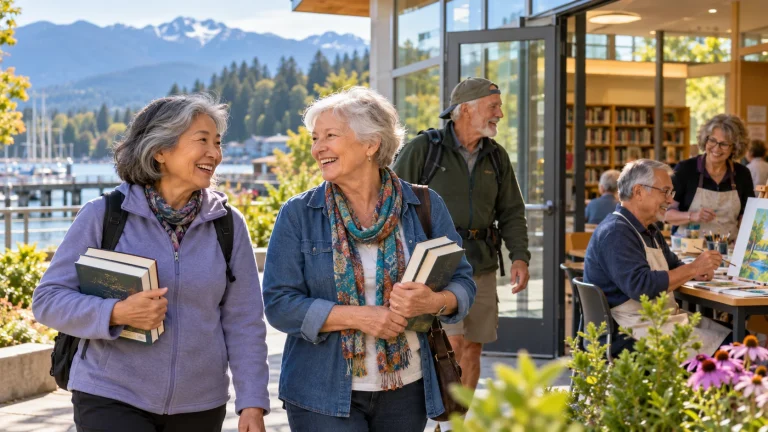
Finding a seniors’ club in British Columbia isn’t particularly difficult once you know where to look. Finding one where you enjoy the activities, feel comfortable with the people and can realistically attend every week takes a little more thought.
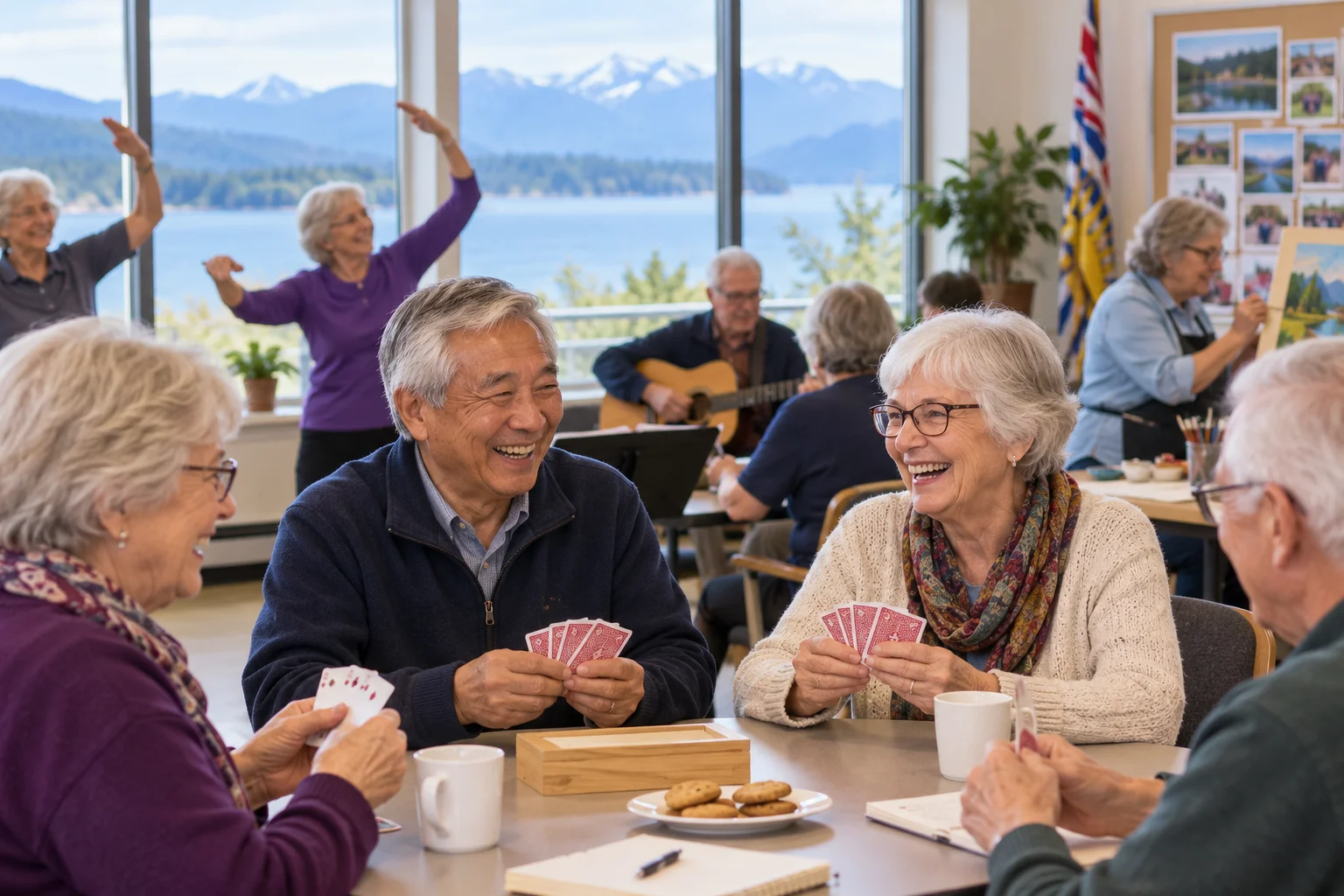
Some groups revolve around cards and coffee, others offer fitness classes, creative workshops or volunteering. Many welcome newcomers without a long-term commitment, and you don’t necessarily need to be retired—or even 65—to join.
The best place to start is with something you’d genuinely enjoy doing, rather than signing up for the first club you find nearby.
Start with the activity, not the membership
A seniors’ club doesn’t have to mean sitting around a table discussing retirement. Across BC, older-adult programmes cover everything from cribbage and pottery to walking groups, live music and community volunteering.
Think about what you want from the experience. Are you hoping to make friends, get out of the house regularly, learn something new or spend time with people who share an existing hobby?
The answer will help narrow your choices.
| What you’d enjoy | Type of group to look for | What to expect |
|---|---|---|
| Conversation and friendship | Social clubs, coffee mornings, community lunches | Relaxed gatherings, often with regular participants |
| Cards and games | Cribbage, bridge, bingo, board-game groups | Scheduled games, sometimes with small participation fees |
| Creative hobbies | Knitting circles, art groups, music clubs | Shared projects, workshops and informal conversation |
| Staying active | Walking clubs, lawn bowling, gentle fitness | Regular sessions, sometimes with different ability levels |
| Helping others | Volunteer groups and community organizations | Flexible or scheduled roles with a shared purpose |
Clubs for conversation and making friends
If meeting people is your main goal, look for activities where conversation happens naturally.
Community lunches, coffee mornings and informal social gatherings are often more approachable than clubs built around a specialized skill. You can participate without knowing the rules of a game or bringing equipment.
Port Coquitlam’s Wilson Lounge, for example, provides a gathering space for older adults, with coffee, lunches and social activities. The city’s seniors’ programmes welcome both members and non-members, although individual activities may have different prices or registration requirements.
A recurring gathering is particularly useful if you’re hoping to develop friendships. Seeing familiar faces each week creates opportunities for conversation that a one-time event may not provide.
Games, crafts and hobby groups
A shared activity takes some pressure off introductions. It’s easier to start a conversation about a card game or knitting project than to walk into a room where everyone appears to know one another.
Surrey’s seniors’ programmes include cribbage, canasta, whist, billiards, music, pottery, knitting and other volunteer-led activities. West Vancouver’s Seniors’ Activity Centre also offers arts, games, woodworking and social programmes.
You don’t have to commit to a membership straight away. Start with a few low-cost activities you can try before joining a club, then decide which ones you’d enjoy regularly.
If you’re new to an activity, ask whether beginners are welcome. Some bridge or pickleball groups expect participants to know the basics, while others offer introductory sessions.
Fitness and outdoor groups
Walking clubs, gentle fitness classes, lawn bowling and recreational sports combine physical activity with regular social contact.
A walking group can be a straightforward option because it may require little equipment or expense. However, confirm the distance, pace, terrain and meeting point before joining.
In BC, the season also matters. A group that meets comfortably outdoors during the summer may change its schedule during rainy or icy weather.
For a more structured programme, a municipal recreation centre may be a better starting point. Many offer classes designed for different fitness levels, although age eligibility and admission fees vary.
Where to look for seniors’ groups in your community
The most useful starting points are municipal recreation centres, community organizations, neighbourhood houses, public libraries and volunteer networks.
You don’t need to search every club individually. A single call to your local recreation department or library can often identify several nearby options.
Municipal seniors’ and recreation centres
Many BC municipalities operate dedicated seniors’ centres or run older-adult activities through regular community facilities.
The programmes can be quite different.
West Vancouver Seniors’ Activity Centre serves adults aged 55 and older through fitness, creative activities, social programmes, learning opportunities and volunteer involvement. Its published annual membership rate is C$42, although some activities have additional charges.
Surrey Seniors Services offers a membership for adults aged 55 and older. At its published C$31 annual rate, members can access free or low-cost volunteer-led activities and receive discounts on selected programmes and outings.
Port Coquitlam focuses its dedicated seniors’ programming on adults aged 60 and older. Its Wilson Lounge offers social opportunities, and an annual seniors’ membership provides reduced prices on eligible activities and events.
These examples show why it’s useful to check both the age requirement and what membership actually covers. A social-club membership doesn’t necessarily include swimming, fitness facilities or instructor-led classes.
Look for your municipality’s Recreation Guide, Seniors’ Services or 55+ Activities section. Printed guides are often available at recreation centres for anyone who prefers not to search online.
Community organizations and neighbourhood houses
Not every seniors’ group operates through a municipality.
Non-profit organizations, cultural associations and neighbourhood houses may provide smaller gatherings, language-specific programmes or activities designed around a particular community.
MOSAIC, a BC organization serving immigrants and newcomers, operates a Seniors Club for adults aged 55 and older. Its programmes include English conversation circles, digital literacy, tai chi, yoga, knitting, choir activities and community outings.
MOSAIC lists these club activities as free and encourages participants to ask about language support or assistance with a bus pass when needed. Current schedules and individual eligibility should be confirmed directly with the organization.
Programmes such as these can be especially helpful for newcomers who want to meet people while becoming more familiar with local services.
Your community may also have groups connected with an Aboriginal Friendship Centre, cultural organization or faith-based institution. Some welcome the wider community, while others have particular membership requirements.
Libraries and volunteer networks
Public libraries are useful when you want to meet people without paying a membership fee.
Many run adult book clubs, craft gatherings, technology workshops and conversation groups. Some require registration; others welcome drop-in participants.
Volunteering offers another route into a social circle. Helping at a community garden, food programme, museum or local event gives people a shared task and a reason to meet regularly.
The Government of BC identifies libraries, volunteer centres, cultural organizations and settlement agencies as useful places to find community connections.
If you’re struggling to locate an appropriate group, BC 211 provides information about community and social services. You can call 2-1-1 and ask about seniors’ activities or community programmes in your area.
This can be particularly helpful when the nearest group doesn’t have a strong online presence.
Five things to ask before your first visit
A club can sound ideal in a programme description but turn out to be inconvenient, expensive or different from what you expected.
A short conversation with the organizer can save you an unnecessary trip.
- Do I need a membership? Ask whether you can attend once before paying. Some organizations welcome non-members at a higher drop-in rate, while others require membership for particular activities.
- What does it cost in total? Check for annual fees, individual session charges, supplies, meals and transportation. A free social gathering may still involve optional spending.
- Do I need to register? Don’t assume that drop-in always means you can arrive without notice. Port Coquitlam, for example, allows advance registration for certain seniors’ drop-in activities.
- Is the location accessible and easy to reach? Ask about entrances, elevators, washrooms, seating, parking and nearby transit. If transportation is difficult, find out whether the organization knows of local assistance.
- Who can attend, and what experience is needed? Programmes may begin at 50, 55, 60 or 65. Some welcome spouses or other guests, and some activities are more suitable for experienced participants.
Also ask whether the group meets throughout the year. A programme listed in a seasonal recreation guide may stop between sessions or change locations.
How to try a new group without feeling out of place
Walking into an established social group can feel awkward, particularly if you’re attending alone. You don’t need to arrive knowing anyone, but making contact beforehand can make the first visit easier.
What to say when you call
You don’t need a complicated introduction. Something like this is enough:
“Hello, I’m interested in your seniors’ activities, but I haven’t attended before. I’m looking for something social, perhaps cards or a coffee group. Do you have a session that welcomes newcomers? Do I need to register or pay a membership fee before trying it?”
If you have accessibility or transportation questions, include them in the same conversation.
Ask for the name of the person organizing the session. Having someone to look for when you arrive can make the experience more comfortable.
What to expect at a drop-in session
Arrive a few minutes early, particularly if the activity involves organized games or teams.
You may need to check in at reception, pay a small fee or provide basic registration information. Some groups have volunteers who welcome newcomers and explain the activity.
If nobody approaches you immediately, introduce yourself to the organizer rather than waiting for another participant to notice.
For activities such as bridge or cribbage, ask whether the group rotates partners. A club where participants change tables or partners may be easier to join than one with established teams.
How to tell if a group is a good fit
Give the experience a fair chance, but don’t feel obliged to return simply because the people were friendly.
Consider three things after your visit:
- The activity: Did you enjoy what the group actually did?
- The atmosphere: Were newcomers included, and did the pace feel comfortable?
- The practicalities: Can you afford the cost and manage the journey regularly?
One quiet meeting doesn’t necessarily represent the whole group. Attendance and activities can vary from week to week.
Still, if a club isn’t right for you, that’s useful information. A different activity—or even a different session at the same centre—may suit you better.
If getting out is difficult
Transport, mobility limitations and distance can make joining a group more complicated than finding one.
Fortunately, some BC community programmes address these practical barriers. Availability varies considerably by location.
Community transportation and local support
West Vancouver’s Seniors’ Activity Centre operates a shuttle service that helps older residents reach the centre and selected local destinations. The service operates on a donation basis, subject to its schedule and operating conditions.
United Way BC’s Better at Home programme also supports older adults through community-based, non-medical services. Depending on the local provider, these may include transportation, friendly visits, group activities or assistance with everyday tasks.
Better at Home isn’t a universal free taxi service. Services, eligibility and fees vary by community, so contact the local programme to find out what’s available.
If you live in a smaller Interior, northern or rural community, ask a local seniors’ organization or BC 211 about volunteer transportation and nearby gathering places.
A group meeting only once a month within easy reach may be more practical than a weekly club requiring a lengthy journey.
Phone-based and virtual social activities
You don’t always have to leave home to participate.
Some community organizations offer telephone-based discussions, virtual learning sessions or online social groups. Library programmes can also provide opportunities to join conversations from home.
If you don’t use video calls, ask whether telephone participation is available. Some sessions allow participants to dial in using an ordinary phone.
United Way BC also supports Social Prescribing programmes that connect eligible older adults with non-medical community activities and support. These generally involve referrals from health professionals or other defined pathways and aren’t simply another form of club membership.
For someone facing several barriers to participation, however, a community connector may help identify realistic options.
Your next step: choose one activity to try
You don’t need to fill your calendar with new commitments. Choose one activity that sounds appealing and find out when it meets.
If you’re mainly looking for friendship, try a coffee gathering or casual games group. If you’d rather have something to do while getting acquainted, consider a craft workshop, walking club or volunteer activity.
Check the cost, registration requirements and transportation before attending. Then give yourself permission to try it without deciding immediately whether you’ll become a regular member.
A good seniors’ club should fit into your life, rather than make you rearrange everything around it. The most rewarding option is often a modest, welcoming group close enough to visit regularly—somewhere the activity gives you a reason to come back and the people make you glad you did.
Editorial note: Programme information was reviewed against Government of BC, United Way BC, MOSAIC and municipal recreation resources in October 2026. Club schedules, membership fees, eligibility and transportation services may change. Confirm current arrangements directly with the organization before attending.